Re-Legalize India
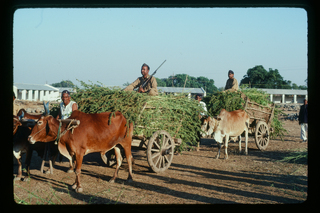
India was forced to outlaw cannabis. I think it is time to undo that mistake.
I’ve spent more than 50 years fighting cannabis prohibition in the United States. I’ve been arrested for it. Put on trial for it. And I’ve watched the government’s claims about cannabis slowly fall apart.In
Now I’m taking that experience to India.
As I travel through India, I’ll be reporting on what I find and what we’re trying to accomplish. High Times will be publishing my reports from India and the first article is already up.
Cannabis wasn’t some foreign drug imposed on India. Ganja has been part of Indian culture, medicine, religion, and daily life for thousands of years. Shiva is traditionally associated with cannabis, and bhang has long been part of religious celebrations.
Yet in 1961, India was pressured by the United States to sign the Single Convention on Narcotic Drugs. In 1986, India criminalized cannabis.
India didn’t need to be saved from cannabis. It needs to be saved from prohibition.
Here’s how you can be part of the effort to Re-Legalize India:
Green-Aid.com, The Medical Marijuana Legal Defense and Education Fund has set up the Re-Legalize India Fund. Re-legalize India Fund. Contributions will support research and education. Green Aid is a 501(c)(3) nonprofit organization, and contributions are tax-deductible to the extent permitted by law.
If cannabis has played a meaningful part in your life you might consider this: India gave cannabis to the world. Let’s help India take it back.
Here is another reason I’m going to India. It’s speculated that cannabis originated in the Chinese Himalayas about 1500-2000 miles from India’s closest state Arunachal Pradesh (AR), in the northeast.
I’m heading there with a team to document and help preserve these unique cannabis genetics before they become increasingly influenced—or replaced—by Western varieties.
Now I’m not saying that farmers shouldn’t grow western varieties, just that the genetics need to be preserved for breeding and research before western varieties spread to the mountains.
Please help Green-Aid free the weed in India. Myself—and millions of people in India—will appreciate your support.
Help Dana Beale Stay a Free Man

Dana Beal is one of the architects behind the modern cannabis movement—whether the industry fully acknowledges it or not.
Long before legalization created today’s regulated markets, Dana was organizing public demonstrations, helping establish what became the Global Marijuana March, and pushing cannabis policy reform into the mainstream conversation.
Today, at 79, he is incarcerated.
Recent reporting highlights that he is currently in Idaho custody and may be required to complete “marijuana addiction” programming—potentially extending his time in detention.
For anyone working in the legal cannabis space, this should give pause.
The industry has matured into a legitimate, revenue-generating sector. But its foundation was built by activists who operated without protection, often at significant personal risk. Some of those individuals are still navigating the consequences of that era.
Dana’s work also extended beyond cannabis. He was an early and persistent advocate for ibogaine research as a potential tool in addressing addiction and trauma—an area that is now beginning to receive renewed scientific and institutional attention, despite ongoing safety and regulatory challenges.
There is a broader question here:
What responsibility does a now-legal industry have to the people who helped make it possible?
This is not just history. It’s a live issue—and one that reflects how unevenly progress is distributed.

Green Aid
9 Lake Ave
Oakland, CA 94611